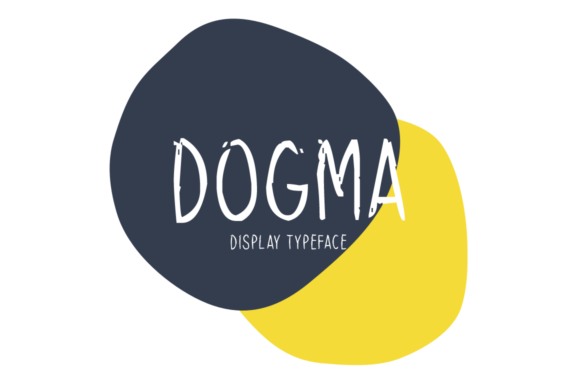
Dogma Display Font for Web Design
Dogma is a modern display font that brings a relaxed yet stylish aesthetic to digital projects. Its clean lines and subtle curves make it ideal for creating visual interest without overwhelming the viewer. As a web designer, I often look for fonts that balance creativity with readability, and Dogma fits this need perfectly.
Visual Characteristics of Dogma
Dogma has a soft, approachable feel that works well in both minimalist and more decorative designs. It features rounded edges and a slightly slanted baseline, which gives it a friendly and contemporary vibe. The font’s open counters and generous spacing help maintain legibility even at smaller sizes, making it versatile for various screen sizes.
The personality of Dogma is playful yet professional, making it suitable for a wide range of digital applications. Whether you're designing a creative portfolio or a boutique online store, Dogma adds a touch of charm without compromising on clarity.
Using Dogma in Website Headers and Hero Sections
In website headers and hero sections, Dogma can serve as a strong focal point. Its unique character helps draw attention to key messages or calls to action. When used for headline text, it creates a sense of movement and energy that can enhance user engagement.
I find that pairing Dogma with a simple sans serif font like Helvetica or Arial for body copy works well. This combination ensures that the display font stands out while maintaining readability across the site. For example, using Dogma for a coaching website header can convey a welcoming and supportive tone, aligning with the brand's message.
Applying Dogma in Conversion-Focused Layouts
For landing pages and sales funnels, Dogma can be used to highlight important elements such as product titles, feature lists, or promotional banners. Its distinct style helps create a visual hierarchy that guides users through the content effectively.
When designing a product landing page, I recommend using Dogma for section headings and subheadings. This approach ensures that the layout remains visually engaging while keeping the information easy to scan. The font’s readability also supports better conversion rates by reducing cognitive load on the reader.
Readability and Responsiveness with Dogma
One of the most important considerations when choosing a display font is its performance on different devices. Dogma maintains good legibility on mobile screens, thanks to its clear letterforms and appropriate spacing. However, it's essential to test how it appears on various screen sizes and adjust the font size accordingly.
For small buttons or interactive elements, it's best to use a simpler font to ensure usability. Dogma can be reserved for larger text elements where its style can shine. When using image overlays or dark backgrounds, ensuring sufficient contrast between the text and background is crucial for readability.
Font Pairing and Brand Identity
Font pairing plays a significant role in establishing a cohesive design system. Dogma pairs well with a variety of typefaces, including serif and sans serif fonts. For instance, combining Dogma with a clean sans serif font can create a modern and professional look, suitable for editorial or branding projects.
Incorporating Dogma into a brand kit allows for consistent typography across all digital assets. Whether it's for social media graphics, email newsletters, or packaging design, the font contributes to a unified brand identity. Its versatility makes it an excellent choice for designers looking to maintain a consistent visual language across multiple platforms.
Practical Considerations for Using Dogma
Before implementing Dogma on a website, it's important to check the available styles, weights, and file formats. Ensuring that the font supports multilingual characters is also crucial if the project involves international audiences. Additionally, verifying that the font is available as a webfont ensures smooth rendering across different browsers and devices.
Commercial font licensing should also be considered, especially for client projects, online stores, or digital templates. Choosing a font with proper licensing ensures that the design remains compliant and avoids potential legal issues. Always review the terms of use before integrating any font into a production environment.
Dogma is a valuable addition to any designer's toolkit, offering a blend of modernity and readability. Its adaptability makes it suitable for a wide range of digital applications, from website headers to branded content. By thoughtfully incorporating Dogma into your design workflow, you can enhance the visual appeal and functionality of your web projects.